Elena Otto · 6 September 2026
Decoding Subtle Interactions Between Native Pollinators and Hybrid Flower Varieties in Temperate Zones
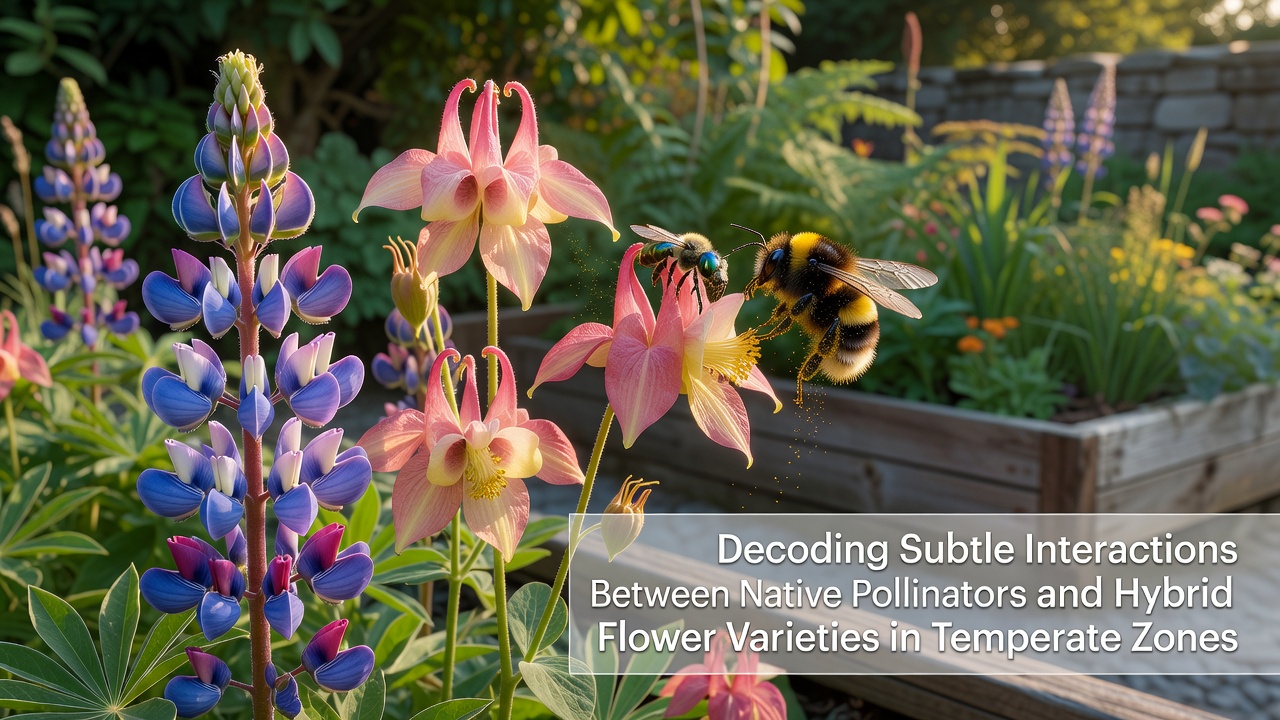
Native pollinators in temperate zones include a range of bees, butterflies, and hoverflies that have co-evolved with local flora over millennia, and hybrid flower varieties introduce new variables into these established relationships through selective breeding for traits such as extended bloom periods and altered nectar composition. Researchers track these dynamics through field observations and laboratory analyses that measure visitation rates, pollen transfer efficiency, and reproductive success across multiple plant generations. Data from long-term monitoring sites show that hybrid cultivars often produce larger flowers with modified volatile compounds, which can either attract or deter specific pollinator species depending on the genetic background of the parent plants.
Native Pollinators and Their Role in Temperate Ecosystems
Temperate regions host diverse pollinator communities where solitary bees such as Andrena and Osmia species dominate early season activity while social bees including Bombus maintain consistent foraging through mid-summer, and studies indicate that these insects respond to flower morphology with precision that affects seed set in both wild and cultivated plants. Observers note that hoverflies contribute additional pollination services during periods when bee populations fluctuate due to weather patterns, creating a layered network of interactions that supports plant diversity across meadows, forest edges, and agricultural margins. Figures from regional surveys reveal that native pollinator abundance correlates strongly with the presence of continuous floral resources throughout the growing season.
Characteristics of Hybrid Flower Varieties
Hybrid flower varieties emerge from controlled crosses that emphasize traits like disease resistance and uniform flowering, resulting in plants whose nectar sugar profiles and petal colors differ from those of their wild progenitors, and these modifications influence how pollinators locate and handle the blooms. Evidence from greenhouse experiments demonstrates that certain hybrids release reduced levels of specific terpenes, which can limit attraction for specialist bees while increasing visits from generalist species that tolerate the altered chemistry. Those who've studied these cultivars report that hybrid vigor often leads to higher biomass and extended flowering windows that extend into autumn months in temperate climates.
Observed Interaction Patterns
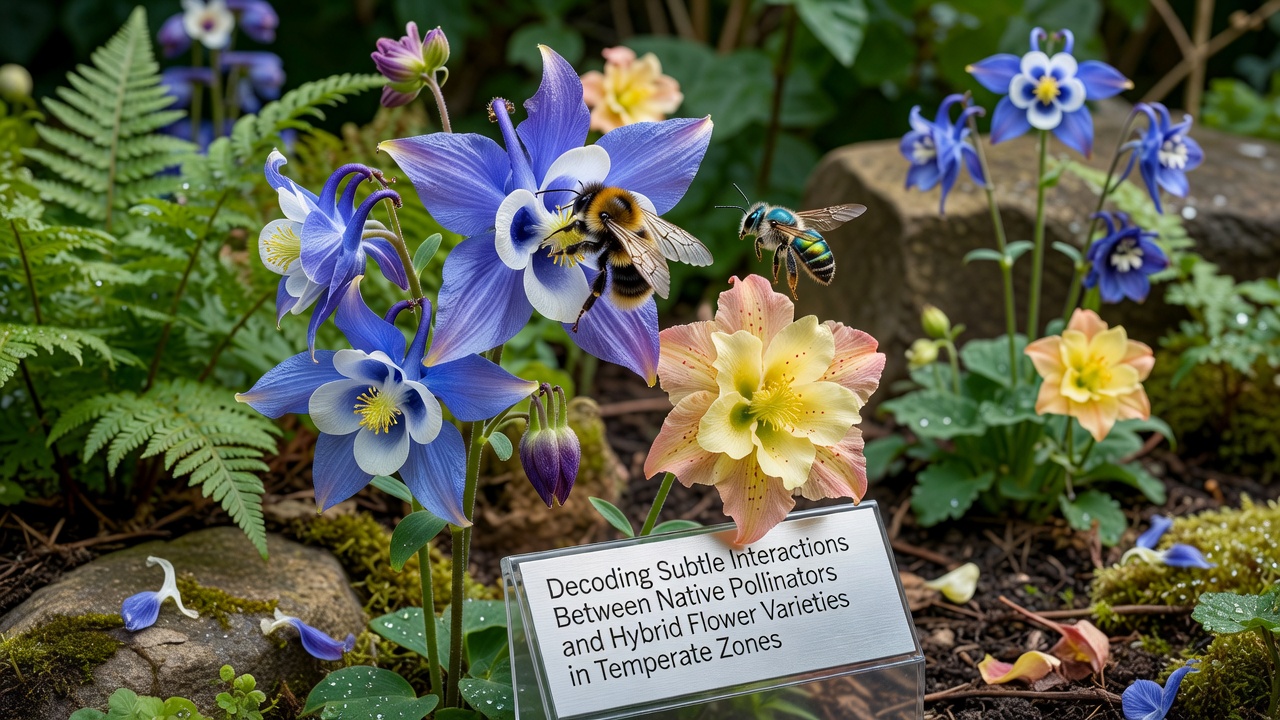
Field researchers document that native pollinators approach hybrid flowers with varying degrees of success, where some bees collect pollen efficiently from open-faced hybrids yet struggle with tubular forms that require longer tongues or specialized behaviors, while data collected across multiple sites in North America and Europe show seasonal shifts in preference that align with peak bloom timing. As of September 2026, updated records from collaborative monitoring networks indicate stable visitation rates for several hybrid varieties when planted alongside native companion species, suggesting that spatial arrangement plays a key role in maintaining interaction balance. What's interesting is how these patterns emerge from combined effects of visual cues, scent gradients, and reward quality rather than any single flower trait.
Research Findings on Pollen Transfer and Plant Reproduction
Quantitative assessments of pollen deposition reveal that hybrids can receive fewer compatible grains from native visitors when morphological mismatches occur, leading to reduced fruit production in some cases, whereas other hybrids benefit from increased cross-pollination facilitated by mobile generalist insects that move between plant patches. According to reports from the USDA Natural Resources Conservation Service, integrated plantings that combine hybrids with native species support higher overall pollinator diversity throughout the season. Canadian field trials further illustrate that temperature fluctuations in temperate zones modulate these outcomes, with cooler springs delaying hybrid bloom synchronization and altering the window for effective pollen exchange.
Environmental Factors Influencing These Dynamics
Soil conditions, light exposure, and precipitation levels shape both hybrid flower development and pollinator behavior in temperate settings, creating feedback loops where nutrient-rich soils boost nectar volume yet may dilute certain amino acids that bees seek for larval provisioning. Researchers have measured how urban heat islands in temperate cities advance hybrid flowering by several weeks compared with rural sites, which in turn affects the timing of pollinator emergence and foraging circuits. These environmental variables interact with genetic differences among hybrids to produce site-specific outcomes that require localized data collection rather than broad generalizations.
Conclusion
Continued documentation of these interactions provides baseline information for land managers and breeders who aim to sustain pollinator populations while incorporating hybrid varieties into landscapes, and ongoing projects scheduled through late 2026 will refine understanding of how climate variability modulates the observed patterns. The evidence accumulated so far underscores the complexity of these relationships without pointing to uniform advantages or disadvantages across all temperate contexts.